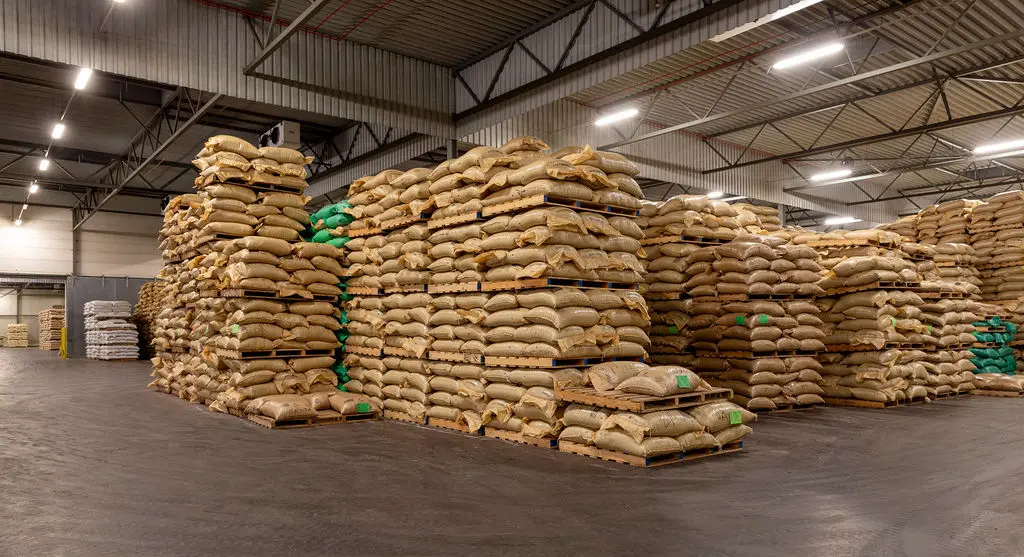
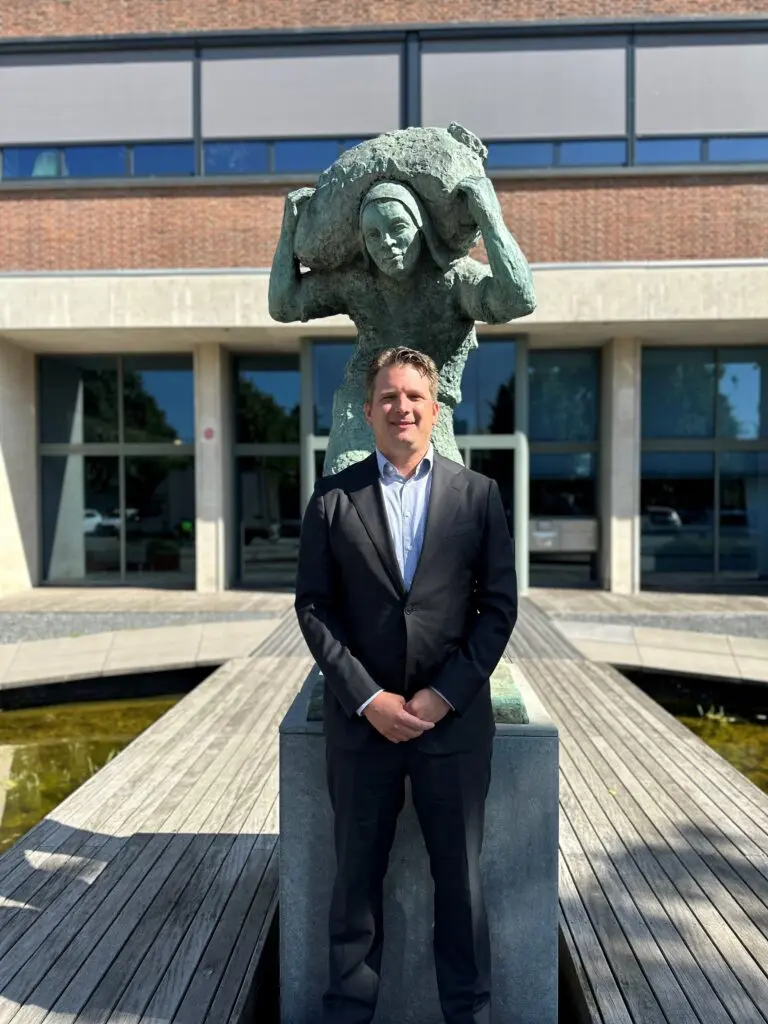
In February, the cocoa and chocolate world will once again come together in Amsterdam during Chocoa. For Steinweg, this is a natural moment to be present and to contribute visibly: Steinweg Group is a logistics sponsor of the event. “Chocoa is an annual event in Amsterdam. In just a few days, you get a clear snapshot of the sector,” says Jaïr de Paauw, Business Development Manager Soft Commodities at Steinweg Amsterdam. “It’s an excellent platform to stay up to date. You reconnect with familiar faces, meet new people, and learn from one another: what is changing, and how do we respond to it?”
The sector comes together, trends surface
The cocoa market is international. Relationships and supply chains run from origin to processor and from trade to logistics. That is precisely why Chocoa is more than a networking event, according to Jaïr. “It’s a place where a great deal of knowledge comes together in a short time. You speak with people who are active at the heart of the supply chain and hear how developments translate into practice: in volumes, routes, processing, and risk. That’s what makes it valuable.”
What surfaces there are not abstract trends, but tangible shifts that companies deal with on a daily basis. “You reflect together on the past year, but above all you look ahead: what is changing, and where do our interests intersect?”
From raw materials to product flows: the supply chain is shifting
The cocoa supply chain is evolving, Jaïr explains. “In traditional West African countries, cocoa beans are increasingly processed locally into semi-finished products, while production and exports from South America are growing. This changes Europe’s role in the chain, yet Amsterdam remains a key European entry point for both beans and cocoa products. At the same time, new centers of gravity are emerging, with strongly growing origins such as Ecuador and Brazil.”
Steinweg responds by expanding its activities beyond beans to include the storage and handling of cocoa products. “For South American flows, we adapt our handling processes, for example because bagged cargo is often delivered in polypropylene bags rather than the jute commonly used in West Africa. In this way, we move with the market and further broaden our role in the supply chain, from origin to end market.”

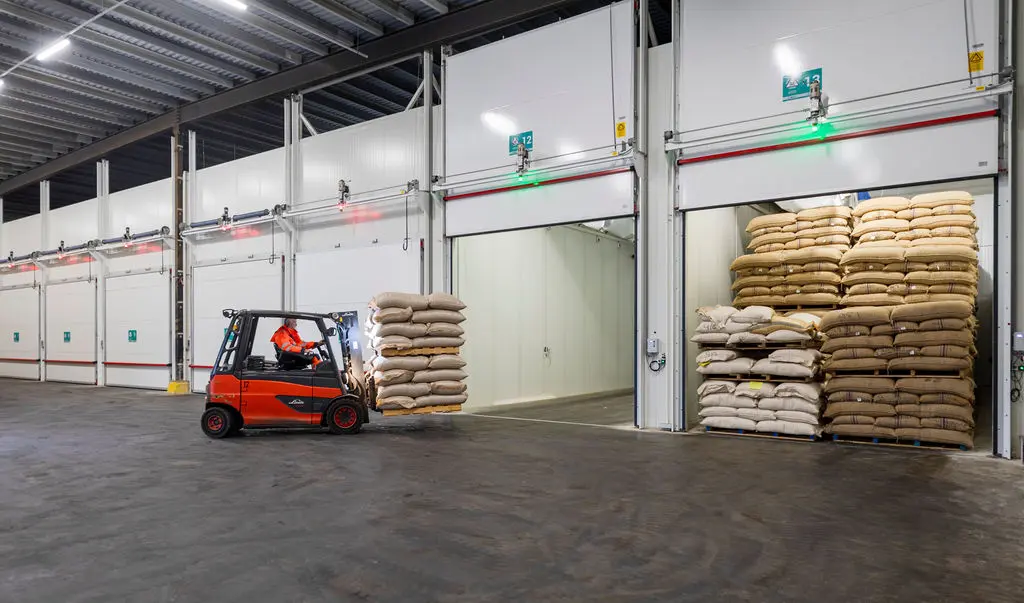
In addition, higher-value segments such as organic and bean-to-bar continue to grow. Steinweg has built a strong position in this area through temperature-controlled, high-class warehousing as an innovative and premium storage solution. “Organic cocoa is no longer a niche. It originates not only from Latin America, such as the Dominican Republic, Peru, and Ecuador, but also from countries like Sierra Leone and São Tomé & Príncipe.”
Steinweg actively supports these developments. “On the one hand, by ensuring our terminals are fully aligned with the specific handling and treatment requirements. We are SKAL-certified, operate dedicated organic compartments and use climate-controlled chambers to handle cocoa in accordance with applicable organic standards. To strengthen our position in these growing markets, Steinweg continues to invest in infrastructure and process discipline, while leveraging its global presence and providing services in the countries of origin as well.”
More than a terminal: involved earlier in the supply chain
“We have long looked beyond a single terminal or location. As a global network organisation, we can become involved earlier in the supply chain: at the origin, and subsequently at reception, storage, and processing in destination markets. This enables us to offer end-to-end logistics solutions that fully support our customers.” That requires flexibility. “Flows shift, volumes change, and requirements become more specific. As a logistics partner, you need to be able to adapt, without compromising on quality or compliance.”
This message will take centre stage during Chocoa in the session Trade & Transport in Transition on Thursday, 19 February.